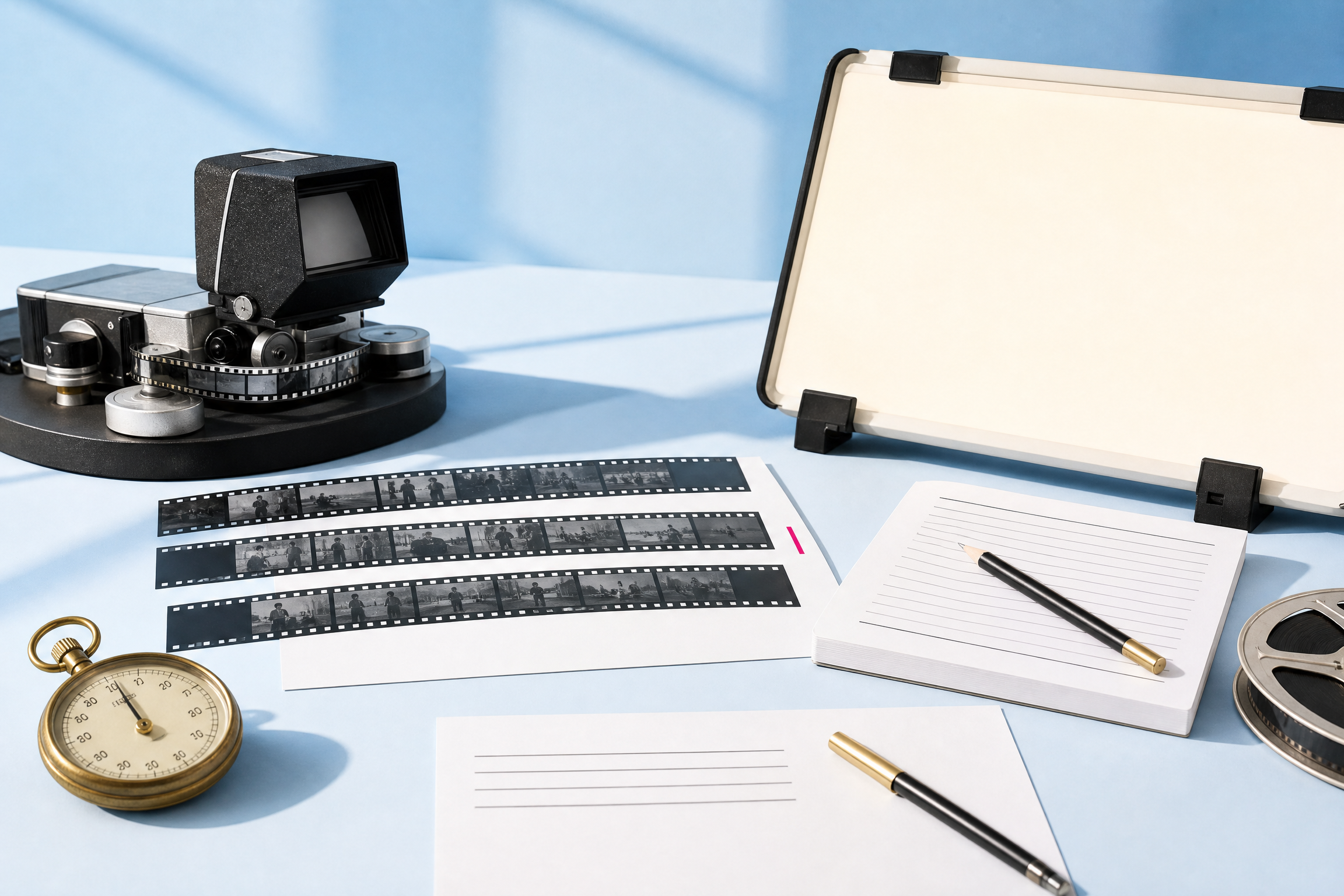
Strong demo reels tend to follow one of a few patterns depending on the actor's goal: single-genre specialist, range-focused, commercial, theatre-to-camera, voiceover-inclusive, or a beginner's minimal reel. The right type depends on what footage you actually have and what kind of roles you are pursuing—not on copying someone else's reel style.
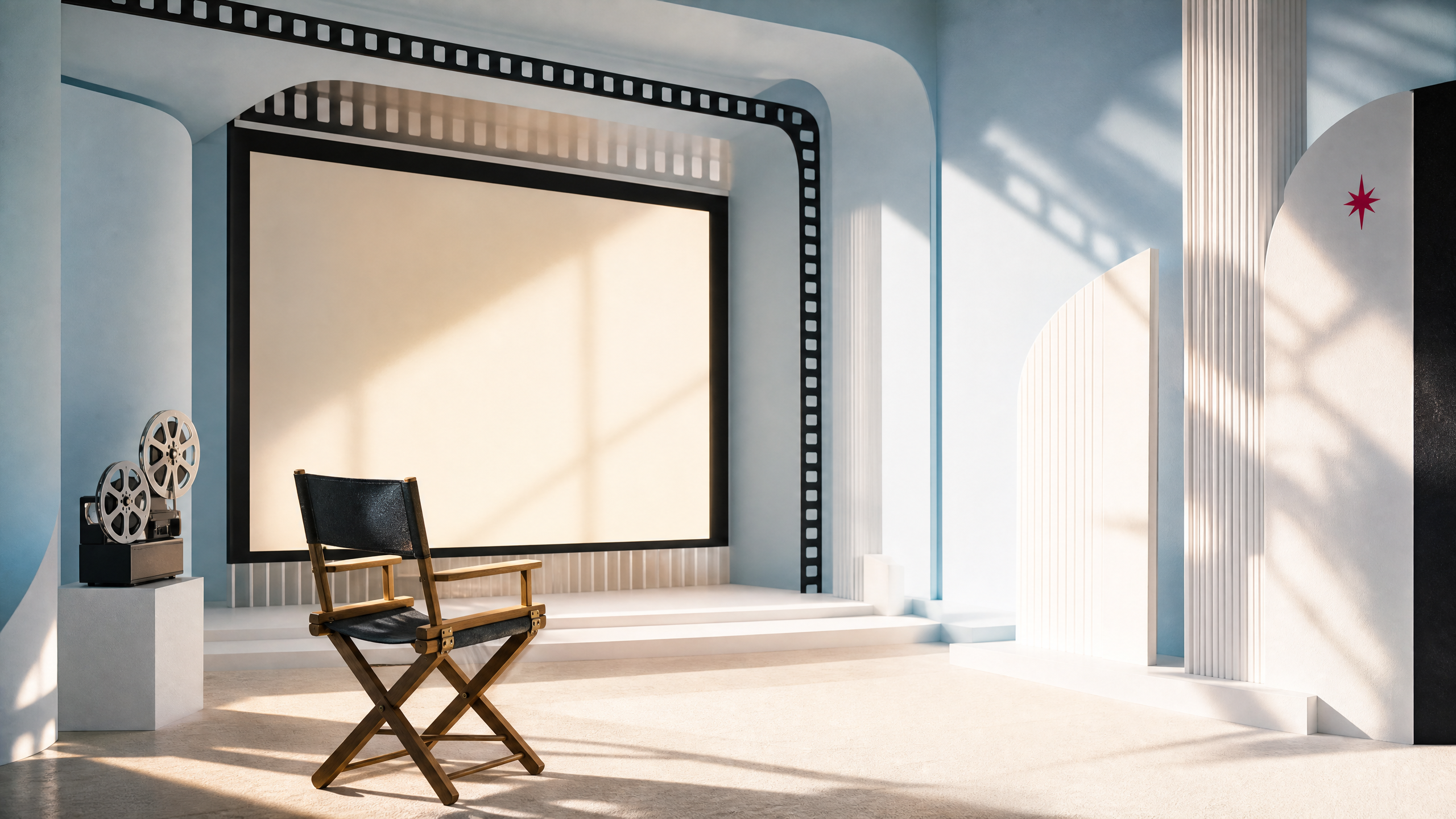
Reel-editing framework
This RoseCo editing framework shows how picture, sound, actor focus, pacing, and contrast can be reviewed before an edit. It is not client footage or a claimed result.
1. The single-genre specialist reel
Every clip lives in one lane—all comedic, or all dramatic—built for actors targeting a specific type of role. What makes it work: real consistency of tone throughout, so a casting director instantly understands the actor's specific strength.
References: [1]
2. The range reel
Deliberately contrasting tones and registers, built for working actors with varied credits. What makes it work: genuine contrast between clips, not five versions of the same emotional note mistaken for range.
3. The commercial reel
Fast, upbeat, product- or brand-forward cuts, often shorter than a dramatic reel. What makes it work: energy and clarity in the first few seconds, since commercial casting moves quickly and rewards an immediate, clear impression.
4. The theatre-to-camera reel
Self-tape or camera-adapted footage built by stage actors who need an on-camera reel without a long on-camera résumé yet. What makes it work: framing and pacing adjusted for camera, not simply a recording of a stage performance played back unedited.
5. The voiceover-inclusive reel
On-camera work paired with voice work samples for hybrid performers. What makes it work: a clear structural separation between the two, so a viewer is never confused about which skill they are watching or hearing.
6. The beginner's minimal reel
Two or three strongest available clips—self-tapes or student-film footage—built to get a first professional reel live rather than waiting indefinitely for more material. What makes it work: total honesty about what the footage is, paired with real selectivity about what makes the cut.
What every strong reel example has in common
Regardless of type, the reels that work share the same underlying habits: a fast cold open, intentional sequencing, clean edit craft, and a length matched to purpose. See our guide on what your demo reel needs for the full breakdown.
Common questions
Do I need multiple reels, or just one?
One well-built reel is enough for most actors. Multiple reels make sense once you have genuinely strong, distinct material in more than one lane—like separate commercial and dramatic work.
What if I don't have enough professional footage yet?
A minimal reel built from your strongest self-tapes or student work is a legitimate starting point. It can be replaced as stronger professional footage comes in.
Should I hire an editor or cut my own reel?
Either can produce a strong result. What matters is whether the final reel meets the same bar for pacing, structure, and technical quality regardless of who cuts it.
How do casting directors typically watch reels?
Usually quickly, often on a phone, and often without finishing the whole thing. This is why a fast, strong opening matters more than almost anything else in the edit.
Can self-tapes work in a demo reel?
Yes, especially for actors still building professional footage. Usable picture and sound quality matter more than whether the footage came from a professional shoot or a well-shot self-tape.
Named client work appears only with permission.
RoseCo does not present invented actors, fictional sites, or unapproved material as client results. Educational frameworks explain the work; approved client examples appear only after delivery and permission.
Find the reel approach that fits your footage.
The best reel type is the one that honestly matches your current footage and the roles you are pursuing—not the type that looks most impressive from the outside. Start with what you actually have, and build the reel that represents it clearly.
Send footage for a quote